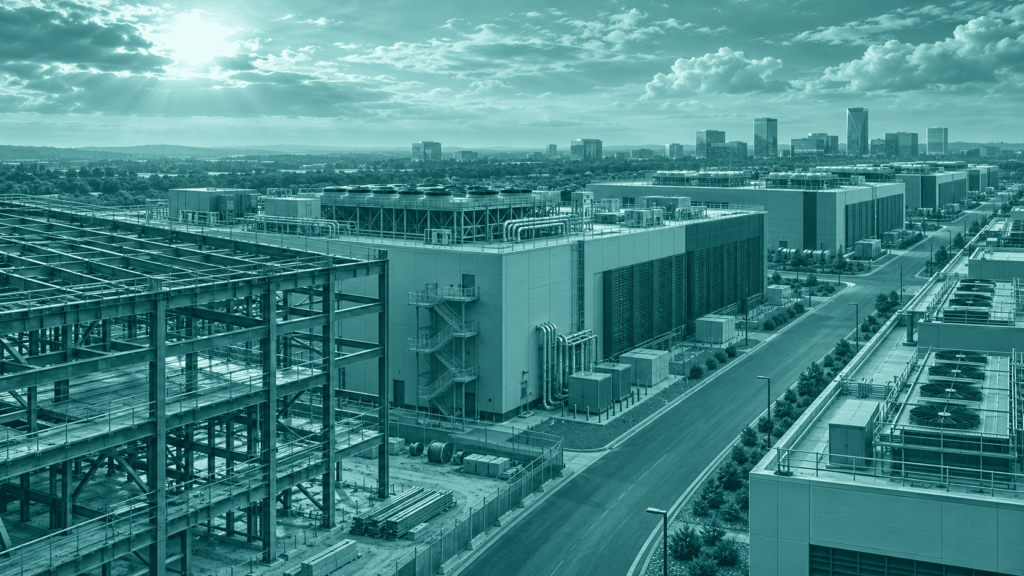
SoftBank’s AI procurement loss shows how early a data centre project can put capital at risk. On 10 November, SoftBank Group disclosed a ¥597.2 billion loss, equivalent to about US$3.7 billion, after revising plans to procure power-generation equipment for US AI data centres. Its subsidiary Silver Bands 7 had paid about US$9.5 billion to reserve manufacturing capacity and acquire equipment ahead of expected supply shortages. When project requirements changed, some of those commitments no longer matched the revised plans.
What drove SoftBank’s AI procurement loss
SoftBank said approximately US$2.9 billion in non-refundable advances were written off because it no longer expected to receive equipment against those payments. Contract modifications and settlements accounted for roughly US$0.9 billion of additional losses. At 30 September, about US$6.6 billion of the original advances remained allocated to equipment for the PORTS-Pike power project in Ohio and other projects. Delivery and commissioning will determine how that equipment supports the revised development plans.
Silver Bands 7 secured rights to rebates of up to US$2.1 billion on future equipment purchases over ten years, subject to conditions. SoftBank recognised no asset for those rights at 30 September because the amount could not yet be determined. Any benefit depends on future qualifying orders. For lenders assessing cash flow, the relevant questions are how much new spending those orders require and when the rebates would reduce actual equipment costs.
How power equipment shortages change project risk
Reserving a manufacturing slot can protect a construction schedule when turbines and other power equipment are in short supply. It also commits cash while engineering specifications, site plans and customer requirements may still change. The commercial terms determine who absorbs the cost of a redesign. With a non-refundable advance, the sponsor can lose part of the payment even while the broader project continues.
For lenders, an advance and a delivered unit create different claims. Before delivery, recovery may depend on refund rights, supplier performance and whether the lender can take over or transfer the purchase contract. After delivery, title, security and the equipment’s suitability for another site affect recovery. Escrow, milestone-based releases and assignment rights can help limit exposure before the equipment is available for installation.
What the loss means for SoftBank’s financing
The procurement charge contributed to SoftBank’s ¥1.1 trillion net loss for the July–September quarter, according to Reuters. Over the six months to 30 September, finance costs reached ¥790.7 billion, up about ¥450.6 billion year on year. Reuters reported that SoftBank raised US$56.5 billion during the quarter, including an US$11.87 billion term loan and a US$10 billion dollar bond. It also increased its Arm-backed margin loan by US$5 billion to roughly US$25 billion.
At 30 September, SoftBank reported a ¥5.0 trillion cash position, including available borrowing capacity under its definition, against ¥1.6 trillion of bond redemptions over the following two years. Its reported loan-to-value ratio rose to 15.9% from 13.0% in June, while net asset value fell from ¥72.3 trillion to ¥59.8 trillion. Those figures show why procurement and financing need to be assessed together. A fall in the value of pledged shares can reduce borrowing flexibility just as projects need more cash to complete construction.
How lenders may price AI equipment procurement
Power equipment advances deserve their own assessment in a data centre financing. A lender can tie drawdowns to engineering sign-off, permits and delivery milestones, or require more sponsor equity for commitments that are difficult to cancel or transfer. Independent engineering review can help determine whether reserved equipment still fits the project’s design and whether it can be used elsewhere if the site changes.
These terms can affect the amount of debt a project can raise before it starts earning revenue. Projects with firm specifications, credible power delivery schedules and enforceable customer contracts give lenders a clearer basis for funding early orders. Projects with changing designs or limited refund rights may need more sponsor capital until the equipment is delivered and lenders can establish control over it.
The Perennial view
SoftBank’s loss puts a figure on the cost of committing capital before a project’s equipment requirements are settled. Perennial will watch delivery and commissioning under the remaining US$6.6 billion allocation, milestones at PORTS-Pike and the purchases required to realise any rebates. For the wider AI credit market, the next evidence will come from loan documents and funding terms that show how much procurement risk lenders are prepared to finance before delivery.
Explore more analysis on infrastructure financing and private credit at Perennial Markets.
Where Insight Meets Opportunity.
Sources
Financial-information disclaimer. This material is for general financial information and market commentary. It does not constitute personal financial, legal or tax advice, an offer, a solicitation or a recommendation to buy or sell any security or financial product. Markets, regulations and transaction terms can change rapidly. Consider your objectives, circumstances and eligibility, and seek appropriately licensed advice before acting.